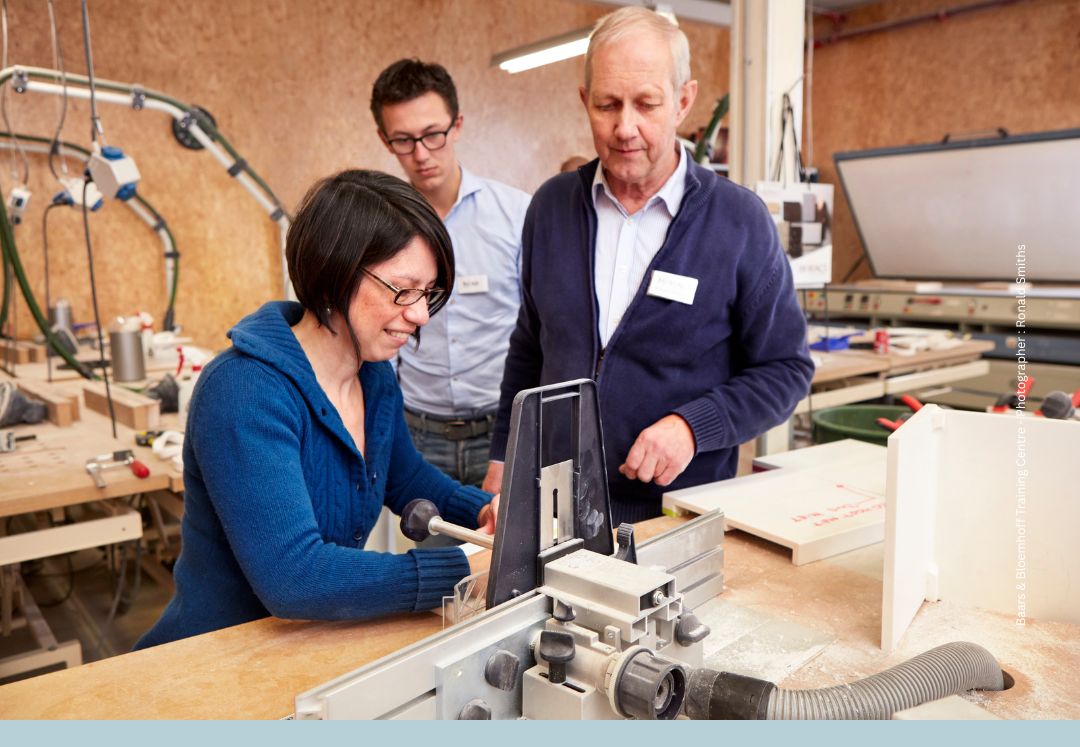
Q. Why is accurate cutting important when working with HIMACS sheets?
Precise cutting is essential to ensure the visible quality, durability, and longevity of HIMACS products. Poor cutting can make seams more visible and lead to cracking, especially near corners or joints. Proper cutting ensures strong, seamless joins and a professional finish.
Q. How should HIMACS sheets be prepared before cutting?
Before fabrication, HIMACS sheets must be conditioned at room temperature (20 °C ± 5 °C) for at least 24 hours. This step stabilizes the material and ensures accurate dimensions after cutting and installation.
Q. What information should be included in a HIMACS cutting list?
A complete cutting list should include:
Project title and intended use
Customer information
HIMACS sheet numbers
Cutting sizes, shapes, and quantities
Notes on thermal expansion and contraction
Identification numbers for each fabricated piece
Additional special notes or requirements
This documentation supports efficient fabrication, installation, and after-sales service.
Q. Should factory ends and edges of HIMACS sheets be used directly?
No. Factory ends and edges may be damaged or contaminated during storage or transport. LX Hausys recommends trimming these areas before fabrication to ensure clean, durable seams and prevent visible defects.
Q. What is the minimum radius required for inside corners or cutouts in HIMACS?
All inside corners and cutouts must have a minimum radius of 5 mm. Sharp or square corners are prone to cracking. Larger radii provide greater durability and resistance to stress.
Q. What tools and machines are recommended for cutting HIMACS?
Use only machines and tools dedicated to solid surface materials. HIMACS sheets should be fully supported and securely fixed on the worktable. Portable circular saws can be used for rough cutting, but the edges must be finished by routing or sanding for high-quality seams.
Q. What are the recommended methods for creating cutouts in HIMACS?
Cutouts can be made using:
CNC machines – for high precision and repeatability
Hand routers with templates – reliable for small-batch or custom work
Straight edges – suitable for single-use or simple applications
All methods must include radiused corners (≥ 5 mm) and fully supported sheets during cutting.
Q. How do you make accurate templates for HIMACS cutouts?
Templates can be made from MDF, plywood, or similar materials using a router with a 10 mm bit and a 25 mm template guide. Templates should be clearly marked with an identification number or basin name for easy reuse and accurate fabrication.
Q. How should cooktop (hob) cutouts be fabricated in HIMACS?
Cooktop cutouts require precision, insulation, and ventilation:
Maintain at least 3 mm clearance between the appliance and the cutout edge
Keep seams 300 mm away from heat sources
Always radius inside corners (≥ 5 mm)
Finish edges with a 3 mm radius and 180-grit sanding
Avoid placing glue lines near heating devices and ensure the countertop is made from a single, unglued piece in the hob area.
Q. How can HIMACS be protected from heat around cooktops?
Heat protection involves reinforcement, insulation, and ventilation:
Reinforce corners with 150 × 150 mm HIMACS blocks, bevelled and rounded
Insulate edges with heat-resistant tapes (e.g., ceramic, neoprene, or aluminum reflective tape)
Provide ventilation beneath the cooktop to disperse heat and prevent cracking or burns.
Q. What is the best way to finish and clean cutout edges in HIMACS?
After cutting or routing, ease and sand all edges to a 3 mm radius using 180-grit sandpaper. Finally, clean the edges with denatured alcohol or acetone and a lint-free white cloth to remove dust and residue.
Q. What causes cracks or damage around HIMACS cutouts?
Cracks usually occur from improper corner radii, lack of reinforcement, poor insulation, or heat buildup. Following LX Hausys’ guidelines for radiusing, reinforcement, and ventilation helps prevent these issues and ensures long-term performance.
Q. Can HIMACS be used around commercial heat-generating appliances?
Commercial appliances generate higher temperatures and longer heating cycles than residential ones. HIMACS can be used if the design includes enhanced insulation, reinforcement, and ventilation developed in consultation with the appliance supplier.
Q. What are the benefits of proper cutting and cutouts for HIMACS projects?
Accurate cutting and cutouts:
Improve seam quality and visual appearance
Prevent cracking and structural failures
Enhance durability and performance
Reduce waste and rework during fabrication
Ensure customer satisfaction and product longevity
This guideline has been created to provide technical information for successful fabrication and installation of HIMACS, and it is intended to be used in a safe environment considering their own discretion and risk by who has technical skill for fabrication and installation of HIMACS.
This guideline is continually revised to provide reliable and up-to-date information, replacing all previous versions of the guideline and technical information, however the usage and conditions of use are beyond LX Hausys control, LX Hausys cannot guarantee the suitability of material, fabrication and installation for all usage and conditions of use. Users should not regard or rely on this guideline as a complete, sole, up-to-date or absolute information. HIMACS users, fabricator and installer should review whether the design for HIMACS, fabrication method, installation method and required performance are suitable for the intended use and conditions of use. LX Hausys shall not be liable for any direct or indirect, commercial damages or losses caused by the fabrication and installation results of HIMACS using any or all these guidelines. In addition, the results of joining with other materials, and the fabrication and installation guidelines for other materials shall not be covered by LX Hausys.
This guideline does not encourage to violate any laws, patents and licenses, and cannot be used as a basis for legal liability. All works on / from HIMACS must be performed in accordance with related laws and regulations.
LX Hausys reserves the right to change the technical information and disclaimers in this guideline for technical development and further information, and the use of HIMACS or this guideline is considered to accommodate the information and changes provided in this guideline. Therefore, please check the changed details of this guideline from time to time.
LX Hausys reserves all information in this material, and no reproduction or alteration is permitted in any way for all or any part of the information without the official written permission of LX Hausys.